Featured
Recent Regulations Affecting Bankruptcy Availability for ...
The Facts About APFSC Approach to Achieve Financial Relie...
The Only Guide to Is It Worth of Professional Debt Counse...

The 20-Second Trick For Ways to Begin Right Away
Table of Contents
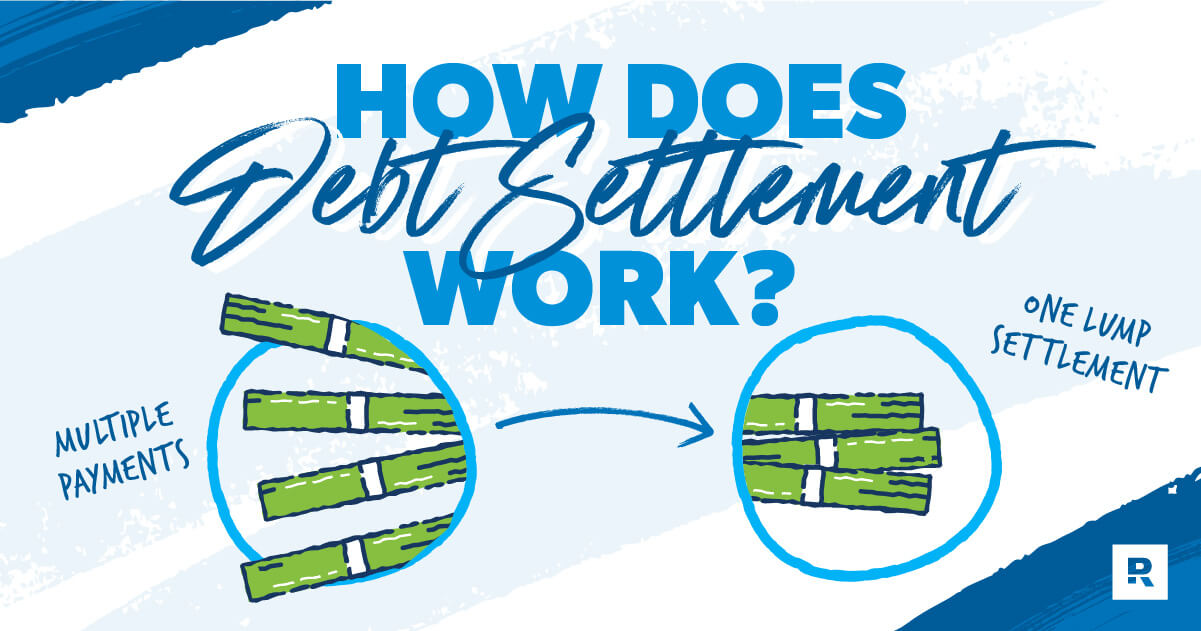
That releases up money in the short term, and you might have 3 to four years to save toward the settlement amount. Very unsafe to credit report, mainly because of missed out on settlements and a negative "cleared up" mark that might remain on your credit rating report for as much as 7 yearsMay be only choice if other options (financial debt loan consolidation, balance transfer bank card, financial debt forgiveness) aren't possibleTypically requires a fee to the 3rd party, which might offset some or all of the cost savings from debt settlementMay aid you avoid insolvency if you've missed out on numerous paymentsNot all creditors function with financial debt settlement business Financial obligation forgiveness might be appropriate for you if you are experiencing an economic difficulty that makes it nearly impossible to pay for your financial obligation balances.
With a DMP, you make one month-to-month repayment to the credit scores therapy company. Those funds are after that distributed to financial institutions of your unsecured financial debts, such as bank card and installment financings. The company collaborates with your creditors to lower rate of interest or waive fees, yet some creditors may reject such concessions.
A debt combination financing combines your eligible financial obligations right into one new financing. It can aid you pay down debt if you're able to secure a financing price that's less than the typical price of the accounts you're settling. Nonetheless, you must avoid racking up debt on those newly cleared accounts or your financial debt can grow also higher.
These cards frequently use a 0% interest initial period of approximately 21 months. That provides you lots of time to eliminate or considerably lower your equilibrium while making interest-free repayments. For some people dealing with insurmountable financial obligation, personal bankruptcy might be the only means to quit collection process and legitimately fix their financial debts.
The Main Principles Of Understanding Accredited Bankruptcy Counselors
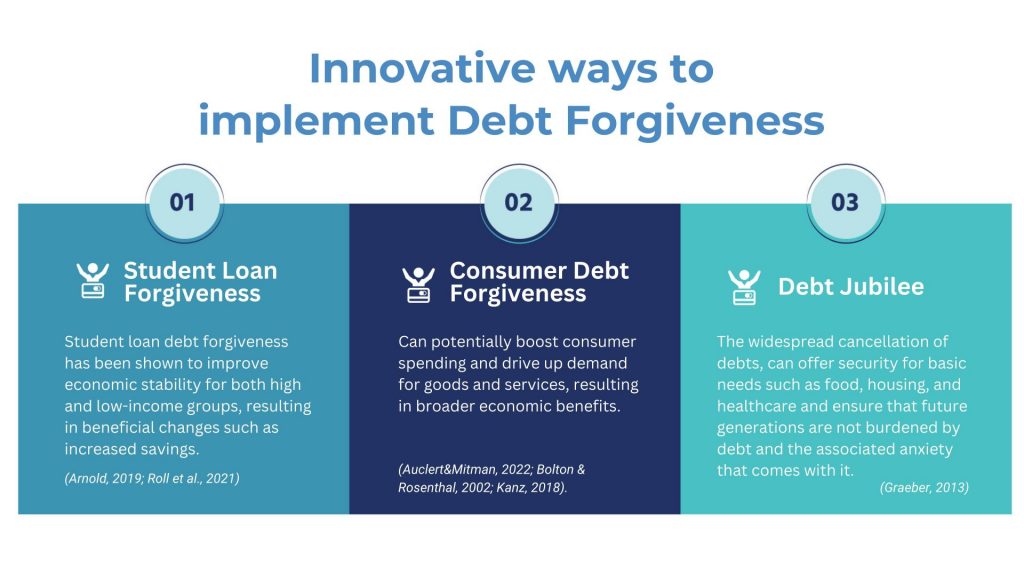
You may require it if your financial institution or a collection company ever tries to gather on the debt in the future. When a loan provider forgives $600 or even more, they are required to send you Form 1099-C.
Financial debt mercy or negotiation usually injures your credit scores. Anytime you work out a financial obligation for much less than you owe, it may look like "resolved" on your credit scores record and impact your credit rating for seven years from the day of negotiation. Your credit score can likewise drop substantially in the months leading to the forgiveness if you fall back on settlements.
Our Short-Term Consequences of Personal Credit History Ideas
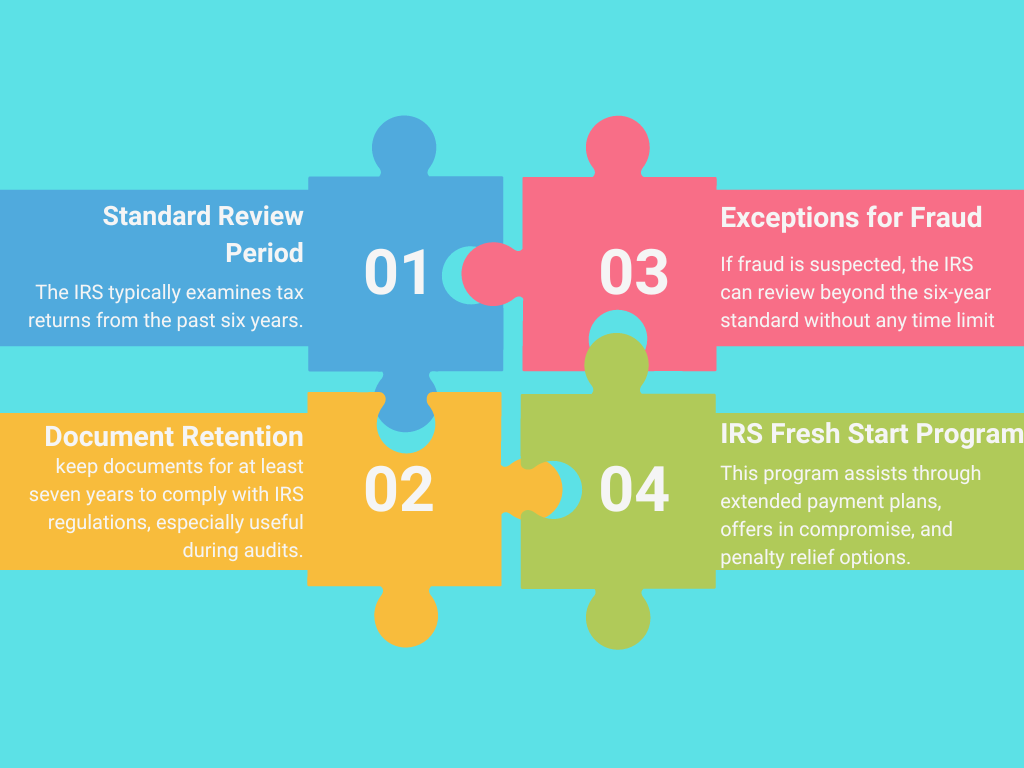
Tax financial debt compromise programs Tax financial debt occurs when the amount of taxes you owe exceeds what you have paid. This circumstance commonly results from underreporting earnings, not submitting returns in a timely manner, or discrepancies found during an IRS audit. The effects of building up tax financial debt are significant and can consist of tax obligation liens, which offer the IRS a lawful claim to your building as safety and security for the debt.
Earnings and Bank Accounts IRS can impose (take) wages and financial institution accounts to please the financial obligation. Property Seizure In extreme situations, the Internal revenue service can take and market building to cover the debt.
Social Preconception Dealing with legal action from the IRS can carry social preconception. Work Opportunities An inadequate credit history rating due to exhaust financial obligation can restrict work chances. Federal government Advantages Tax obligation financial obligation may impact eligibility for government advantages, such as Social Protection and Medicaid.
An Unbiased View of Developing a Stable Budget for Permanent Success
The OIC thinks about several elements, consisting of the taxpayer's income, costs, possession equity, and ability to pay. Efficiently negotiating an OIC can be complicated, requiring an extensive understanding of the internal revenue service's standards and a strong argument for why your deal aligns with your capacity to pay. It's crucial to note that not all applications are approved, and the process requires in-depth financial disclosure.
The internal revenue service analyzes your general financial situation, including your income, costs, asset equity, and capability to pay. You have to likewise be existing with all filing and repayment needs and not remain in an open personal bankruptcy case. The internal revenue service also considers your conformity background, reviewing whether you have a record of prompt filing and paying tax obligations in previous years.
7 Easy Facts About Comparing Bankruptcy Counseling Organizations to Choose the Right Partner Described
The application process for a Deal in Compromise includes a number of in-depth actions. Initially, you should finish and submit IRS Type 656, the Offer in Compromise application, and Form 433-A (OIC), a collection details statement for people. These forms call for extensive economic details, consisting of information regarding your revenue, debts, expenses, and possessions.
Back tax obligations, which are overdue tax obligations from previous years, can dramatically boost your total IRS debt if not dealt with quickly. This debt can accumulate interest and late payment penalties, making the original amount owed much larger over time. Failing to pay back taxes can result in the IRS taking enforcement actions, such as providing a tax obligation lien or levy versus your building.
It is very important to deal with back tax obligations asap, either by paying the sum total owed or by organizing a repayment strategy with the internal revenue service. By taking proactive actions, you can prevent the accumulation of extra interest and charges, and prevent more aggressive collection activities by the IRS.
One common factor is the idea that the taxpayer can pay the sum total either as a round figure or via a settlement strategy. The internal revenue service additionally considers the taxpayer's revenue, expenditures, possession equity, and future earning capacity. If these factors show that the taxpayer can manage to pay greater than the used quantity, the internal revenue service is most likely to decline the offer.
Top Guidelines Of Developing Post-Bankruptcy Budget That Lasts
Dealing with IRS financial debt can be complex and daunting. Tax obligation experts, such as Certified public accountants, tax lawyers, or enlisted agents, can offer vital help.

Table of Contents
Latest Posts
Recent Regulations Affecting Bankruptcy Availability for Beginners
)
The Facts About APFSC Approach to Achieve Financial Relief Revealed
The Only Guide to Is It Worth of Professional Debt Counseling
More
Latest Posts
Recent Regulations Affecting Bankruptcy Availability for Beginners
The Facts About APFSC Approach to Achieve Financial Relief Revealed
The Only Guide to Is It Worth of Professional Debt Counseling