Featured
Recent Regulations Affecting Bankruptcy Availability for ...
The Facts About APFSC Approach to Achieve Financial Relie...
The Only Guide to Is It Worth of Professional Debt Counse...


The Only Guide to Assessing Debt Relief Companies to Select the Right Match
Table of Contents
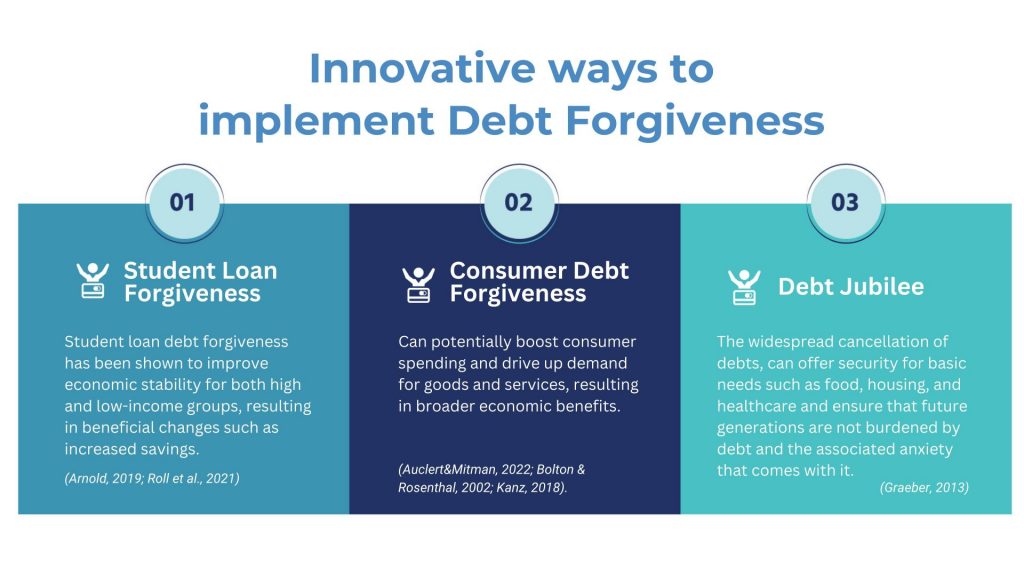
That maximizes money in the short term, and you may have 3 to 4 years to conserve toward the negotiation quantity. Really damaging to credit history, mostly as a result of missed out on repayments and a negative "resolved" mark that might remain on your credit history record for up to 7 yearsMay be just choice if various other alternatives (debt consolidation, balance transfer bank card, financial obligation forgiveness) aren't possibleTypically calls for a fee to the 3rd party, which could balance out some or every one of the cost savings from financial debt settlementMay help you stay clear of bankruptcy if you have actually missed out on several paymentsNot all creditors deal with financial obligation negotiation companies Debt forgiveness may be right for you if you are experiencing a financial hardship that makes it almost impossible to pay down your financial obligation equilibriums.
With a DMP, you make one monthly repayment to the credit scores counseling company. Those funds are then dispersed to creditors of your unprotected financial debts, such as charge card and installment financings. The company works with your lenders to minimize rates of interest or waive charges, yet some lenders might decline such concessions.
It can help you pay down financial obligation if you're able to secure a car loan price that's reduced than the ordinary rate of the accounts you're settling. You should refrain from racking up debt on those recently removed accounts or your debt might expand even higher.
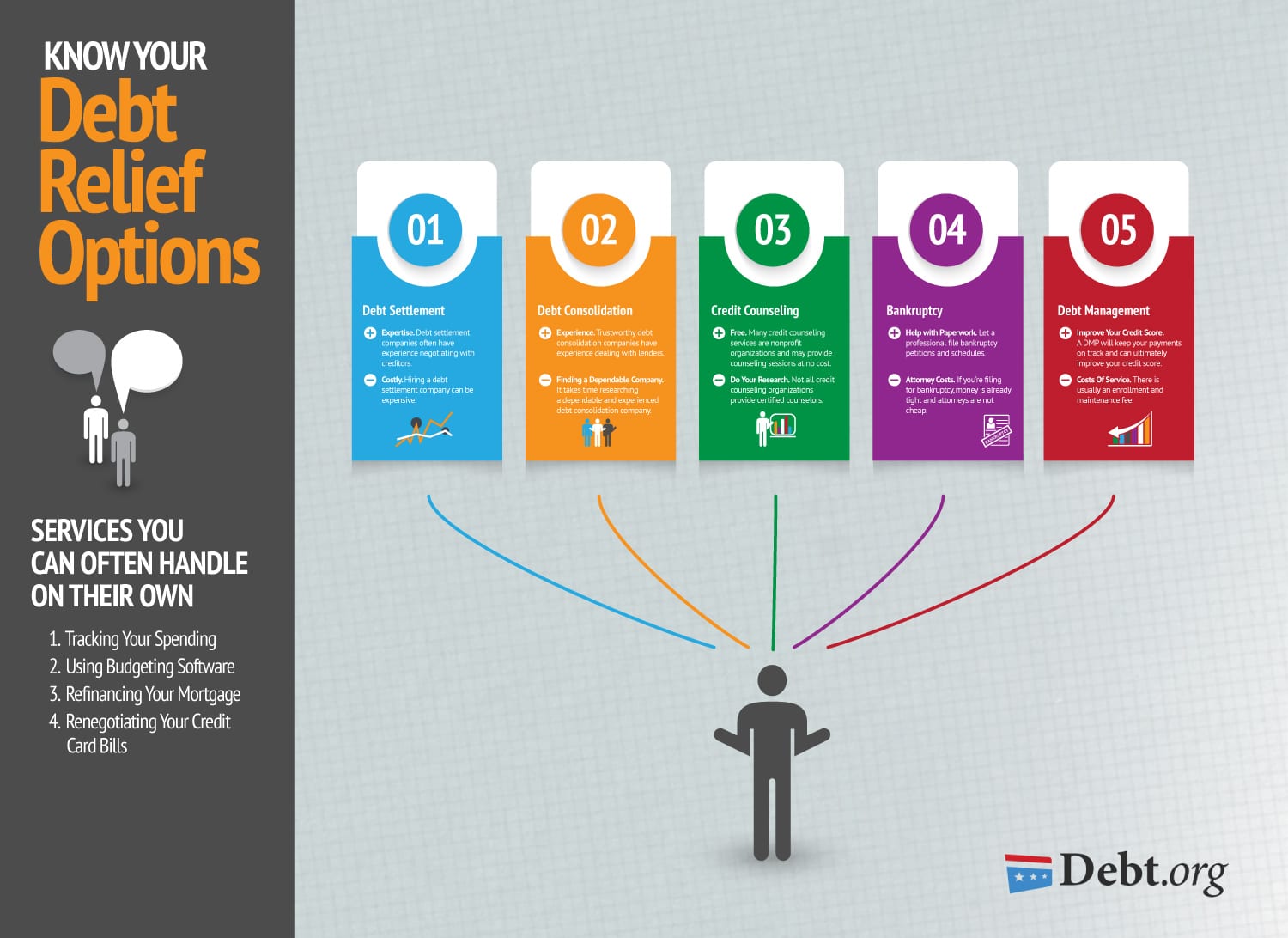
That provides you plenty of time to get rid of or substantially minimize your balance while making interest-free payments.
5 Easy Facts About Industry Changes for Bankruptcy Counseling Solutions Described
You might need it if your financial institution or a collection firm ever attempts to collect on the financial debt in the future. When a loan provider forgives $600 or more, they are called for to send you Kind 1099-C.
Debt forgiveness or negotiation often injures your credit. Anytime you clear up a debt for less than you owe, it may look like "settled" on your credit history report and affect your credit history for seven years from the day of settlement. Your credit report can likewise go down significantly in the months leading to the mercy if you fall back on payments.
Monetary Consequences the Expense of Bankruptcy Counseling - Truths
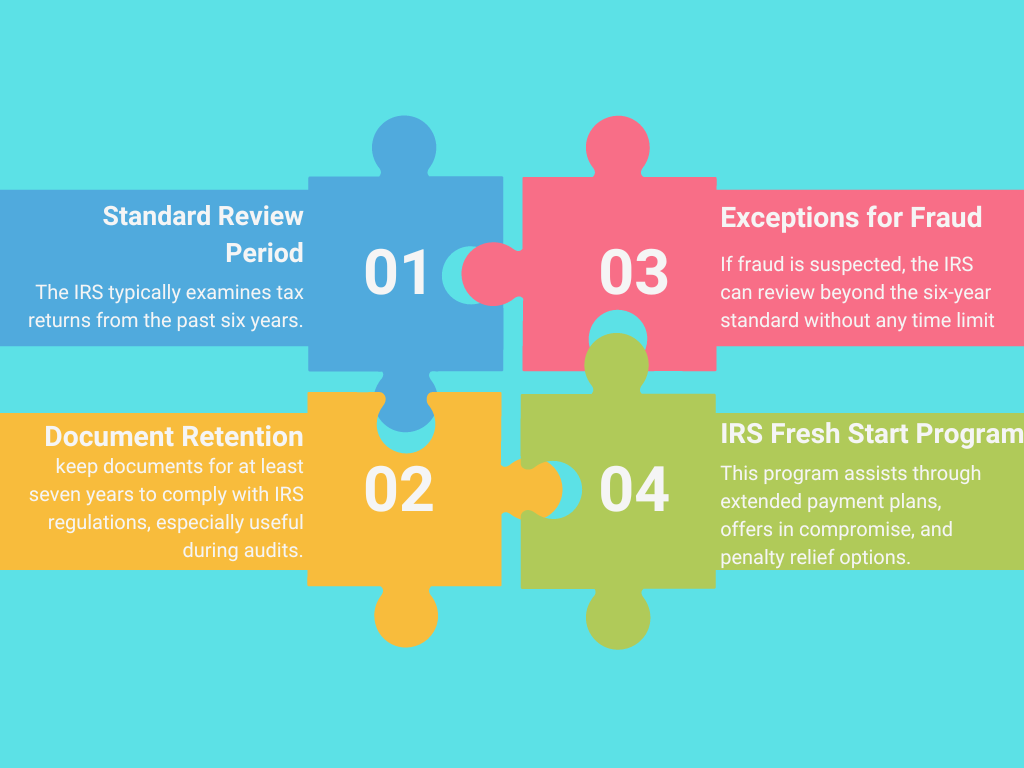
Tax obligation debt concession programs Tax obligation debt occurs when the amount of taxes you owe surpasses what you have paid. This circumstance typically results from underreporting income, not submitting returns on schedule, or disparities discovered during an internal revenue service audit. The consequences of gathering tax financial obligation are major and can consist of tax obligation liens, which offer the internal revenue service a lawful claim to your residential property as safety for the financial debt.
Higher passion rates on readily available credit score. Salaries and Financial institution Accounts internal revenue service can levy (seize) wages and bank accounts to satisfy the financial debt. Decreased earnings and interruption of crucial financial procedures. Building Seizure In severe situations, the IRS can seize and market home to cover the debt. Loss of useful assets and potential variation.
Social Stigma Facing legal activity from the IRS can lug social preconception. Employment Opportunities A bad credit rating score due to exhaust debt can limit employment opportunities. Federal government Benefits Tax obligation debt may influence eligibility for federal government advantages, such as Social Safety and Medicaid.
The smart Trick of Forms of Relief Programs You May Know About That Nobody is Discussing
The OIC considers several variables, including the taxpayer's income, expenses, property equity, and ability to pay. Efficiently discussing an OIC can be complex, calling for a comprehensive understanding of the internal revenue service's standards and a strong debate for why your deal aligns with your ability to pay. It is very important to keep in mind that not all applications are accepted, and the procedure needs comprehensive financial disclosure.
The IRS evaluates your general economic scenario, including your earnings, expenditures, property equity, and ability to pay. You must also be existing with all filing and settlement requirements and not remain in an open personal bankruptcy proceeding. The internal revenue service also considers your conformity background, assessing whether you have a document of timely filing and paying taxes in previous years.
Little Known Facts About Economic Impact Fees for Debt Forgiveness Programs.
The application process for an Offer in Concession includes several thorough actions. You should finish and send IRS Form 656, the Deal in Compromise application, and Kind 433-A (OIC), a collection details statement for individuals. These forms require comprehensive financial details, including details about your revenue, financial obligations, expenditures, and assets.
Back tax obligations, which are unsettled tax obligations from previous years, can substantially enhance your total IRS financial debt otherwise resolved promptly. This debt can build up interest and late repayment charges, making the initial amount owed a lot larger gradually. Failure to pay back taxes can result in the IRS taking enforcement activities, such as providing a tax obligation lien or levy against your residential or commercial property.
It is necessary to address back taxes asap, either by paying the total owed or by arranging a layaway plan with the IRS. By taking proactive steps, you can avoid the accumulation of extra passion and penalties, and avoid extra aggressive collection activities by the IRS.
One common factor is the idea that the taxpayer can pay the full amount either as a lump amount or via a layaway plan. The IRS likewise takes into consideration the taxpayer's earnings, expenditures, asset equity, and future earning potential. If these aspects show that the taxpayer can manage to pay more than the used quantity, the IRS is most likely to deny the offer.
Not known Factual Statements About How APFSC Work with Families
It is critical to offer precise and complete information in your application and to talk to a tax obligation expert to improve the possibilities of approval. Taking care of IRS debt can be complicated and difficult. Tax obligation specialists, such as Certified public accountants, tax obligation lawyers, or enlisted agents, can provide indispensable help. They have the knowledge to navigate the ins and outs of tax obligation regulation and internal revenue service treatments.

Table of Contents
Latest Posts
Recent Regulations Affecting Bankruptcy Availability for Beginners
)
The Facts About APFSC Approach to Achieve Financial Relief Revealed
The Only Guide to Is It Worth of Professional Debt Counseling
More
Latest Posts
Recent Regulations Affecting Bankruptcy Availability for Beginners
The Facts About APFSC Approach to Achieve Financial Relief Revealed
The Only Guide to Is It Worth of Professional Debt Counseling